

When choosing a waterproof instant tent, many buyers notice numbers like PU1500, PU3000, 210D Oxford, or 600D Oxford fabric but do not know what these specifications actually mean.
A higher waterproof rating does not always mean a better tent for every situation. The right choice depends on where the tent will be used, how much rain it needs to handle, and whether the floor material can protect against moisture and abrasion.
This guide explains what PU1500 and PU3000 mean for instant tents, how PU coated tent fabric works, why the Oxford tent floor matters, and how to choose a tent based on real outdoor conditions instead of confusing specifications.
Table of Contents
What does PU1500 mean for instant tents?
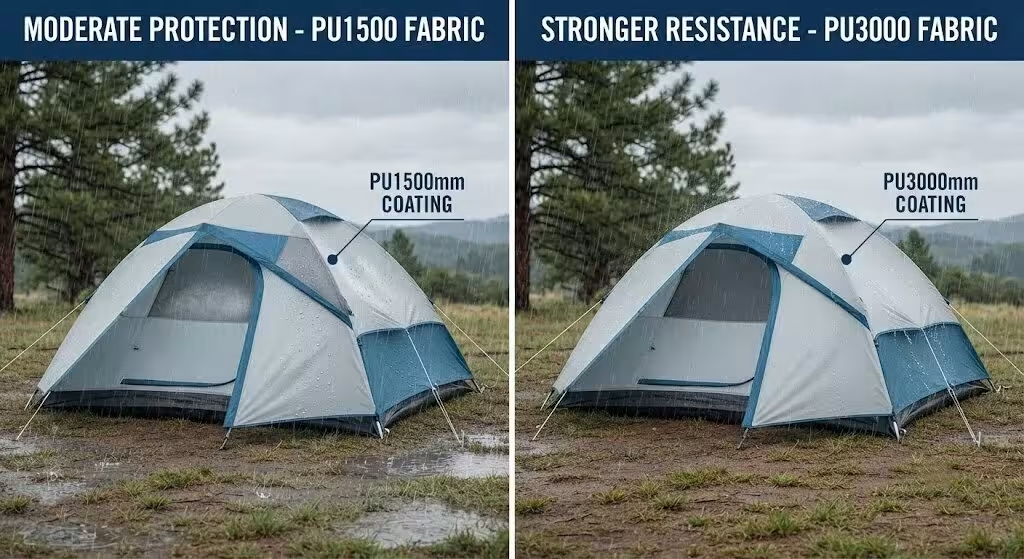
PU1500 refers to the water resistance level created by a polyurethane (PU) coating applied to the tent fabric.
The number represents the height of a water column that the fabric can withstand before water begins to pass through.
For example:
- PU1500 means the fabric can resist approximately a 1500 mm water column pressure.
- PU3000 means the fabric can resist approximately a 3000 mm water column pressure.
A PU1500 coating is commonly suitable for:
- Light rain
- Short camping trips
- Fair weather conditions
- Occasional outdoor use
However, it may not be the best choice for areas with frequent heavy rainfall or long periods of wet weather.
The purpose of PU coating is not only waterproofing. It also helps improve fabric performance by creating a barrier between the outside environment and the inner tent space.
According to the explanation of waterproof fabric technology from REI Expert Advice – How to Choose a Tent, tent weather protection depends on multiple factors, including fabric coating, seams, design, and proper setup.
Is PU3000 waterproof enough for heavy rain camping?
For many outdoor users, PU3000 provides a higher level of protection because the coating can withstand greater water pressure.
A PU3000 instant tent is more suitable for:
- Heavy rainfall environments
- Longer outdoor stays
- Family camping trips
- Unpredictable weather conditions
However, waterproof performance is not determined by PU rating alone.
A tent can still leak if:
- Seams are poorly sealed
- The rainfly design allows water pooling
- The floor material absorbs moisture
- The tent is installed incorrectly
The waterproof performance of an instant tent is a combination of:
1.Fabric coating
2.Seam construction
3.Tent structure
4.Floor material
PU1500 vs PU3000 Instant Tent: What is the practical difference?
Many buyers ask:
“Should I always choose PU3000?”
The answer depends on the environment.
| Feature | PU1500 | PU3000 |
|---|---|---|
| Water resistance | Moderate rain protection | Stronger rain protection |
| Best use | Weekend camping, dry regions | Wet climates, longer trips |
| Rain exposure | Short periods | Continuous rainfall |
| Weight impact | Usually lighter | Usually slightly heavier |
| Cost | Lower material requirement | Higher coating requirement |
For casual camping in areas with stable weather, PU1500 may be enough.
For users camping in rainy regions, near forests, mountains, or during changing seasons, PU3000 provides more protection.
Why is PU coated tent fabric important for instant tents?
The fabric used in a tent is not waterproof simply because it is woven tightly.
Most outdoor tents use coated fabrics because untreated textile materials can absorb water through microscopic gaps between fibers.
PU coated tent fabric works by adding a polyurethane layer that reduces water penetration.
Common benefits of PU coating include:
- Improved rain resistance
- Better moisture control
- Protection from outdoor conditions
The choice of fabric also affects:
- Breathability
- Weight
- Folding performance
- Long-term storage condition
Polyurethane is widely used in protective coatings because of its flexibility and resistance properties. The Wikipedia – Polyurethane Material Overview provides background information about polyurethane structures and common industrial applications.
Does a higher PU rating always mean a better instant tent?
Not necessarily.
A common mistake is choosing a tent only by the highest waterproof number.
A PU3000 coating does not automatically make a tent better if the user mainly camps in dry weather.
Other factors should also be considered:
Fabric thickness
A stronger fabric may improve abrasion resistance but can increase weight.
Floor material
Water often enters from below rather than through the roof.
A tent with strong top fabric but a weak floor may still perform poorly on wet ground.
Usage environment
A beach camping tent, backyard shelter, and mountain camping tent have different requirements.
This is why choosing a waterproof instant tent requires looking at the complete structure rather than one specification.
Why does the Oxford tent floor matter for waterproof protection?
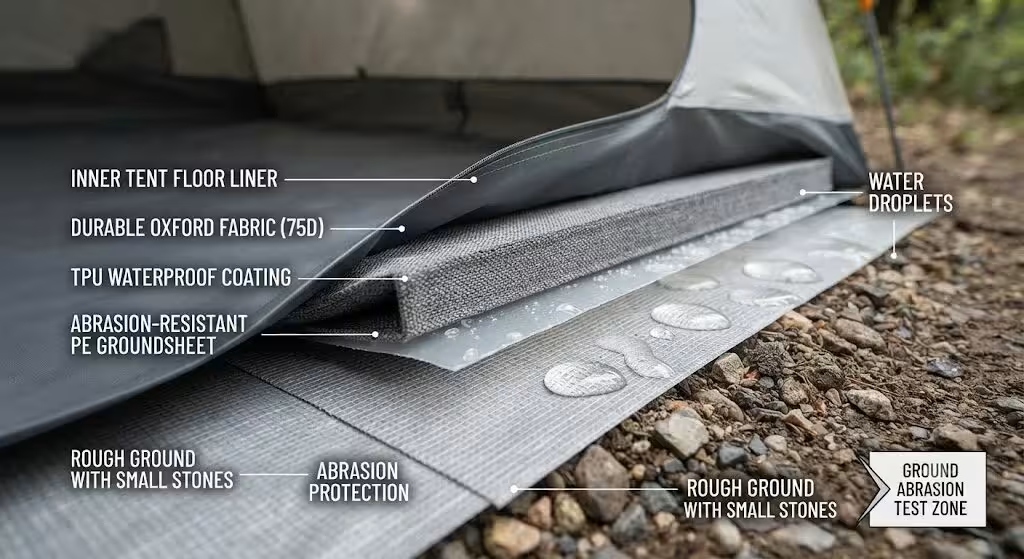
Many buyers focus on the tent roof fabric when checking waterproof performance, but the floor is often the first area exposed to moisture, dirt, and abrasion.
A strong Oxford tent floor helps protect the inside of the tent from:
- Wet grass and soil moisture
- Small stones and rough ground
- Mud and water accumulation
- Daily wear during camping use
Oxford fabric is commonly used for tent floors because its woven structure provides better abrasion resistance compared with lightweight fabrics.
For instant tents, the floor has two jobs:
1.Reduce water penetration from the ground.
2.Protect the tent structure from repeated contact with outdoor surfaces.
A tent used on a campsite with prepared ground has different floor requirements compared with a tent used on rocky or damp terrain.
What is the difference between lightweight fabric and Oxford tent floor materials?
The fabric used for the upper tent body and the floor usually has different requirements.
| Material Area | Main Requirement | Common Concern |
|---|---|---|
| Tent roof/walls | Rain protection and weight control | Water penetration |
| Tent floor | Abrasion resistance and moisture protection | Ground damage |
The floor receives more mechanical stress because users walk on it, place equipment on it, and set up the tent on different surfaces.
For this reason, many manufacturers use Oxford fabric for tent floors while selecting lighter polyester fabrics for the upper structure.
How should you choose an instant tent for different weather conditions?
The best waterproof rating depends on the environment where the tent will be used.
Dry and sunny camping
Suitable features:
- Lower waterproof rating
- Lightweight fabric
- Basic rain protection
A PU1500 instant tent may meet the needs of occasional outdoor activities.
Regular outdoor camping with possible rain
Recommended features:
- PU coated tent fabric
- Better seam protection
- More water-resistant floor
A PU1500–PU3000 range may be suitable depending on rainfall conditions.
Heavy rain or long-term outdoor use
Recommended features:
- Higher waterproof coating
- Strong Oxford tent floor
- Better ventilation design
- Proper rainfly coverage
A PU3000 instant tent is usually more suitable for users who expect frequent rain or longer exposure to wet conditions.
What mistakes do buyers make when choosing waterproof instant tents?
Mistake 1: Only looking at PU numbers
PU1500 and PU3000 are important, but they do not describe the entire tent.
A complete evaluation should include:
- Fabric coating
- Floor material
- Seam design
- Tent shape
- Weather conditions
Mistake 2: Ignoring the tent floor
A waterproof roof cannot compensate for a weak bottom layer.
Ground moisture is a common problem during:
- Rainy camping
- Morning condensation
- Wet grass conditions
Mistake 3: Choosing based only on extreme weather
Not every user needs the highest waterproof rating.
A family camping in a mild climate may benefit more from:
- Easy setup
- Comfortable space
- Proper ventilation
The right tent balances weather protection with actual usage needs.
How can buyers choose the right waterproof instant tent?
Before purchasing, consider these questions:
Where will the tent be used?
Forest, beach, mountains, and backyard camping create different demands.
How often will it face rain?
Occasional showers require different protection compared with continuous rainfall.
How many people will use it?
Larger instant tents usually require stronger structural support and fabric performance.
What ground conditions are expected?
Rocky or wet ground increases the importance of the Oxford tent floor.
For users looking for larger outdoor space and stronger weather protection, the 6 Corners Instant Tent provides a larger family camping layout.
For smaller group camping needs, the 4 Corners Instant Tent offers a more compact option.
Final Thoughts
Understanding tent specifications makes buying decisions much easier. PU1500 and PU3000 are not just numbers on a product page; they describe how a tent fabric handles water pressure under controlled conditions.
A suitable waterproof instant tent should match the environment where it will be used. The fabric coating, Oxford tent floor, construction details, and weather conditions all affect real camping performance.
FAQ
What does PU1500 mean on an instant tent?
PU1500 means the tent fabric coating can resist approximately a 1500 mm water column pressure. It is suitable for light to moderate rain conditions.
What does PU3000 mean for instant tents?
PU3000 indicates a higher waterproof coating level and is better suited for heavier rain or longer outdoor use.
Is PU3000 always better than PU1500?
Not always. The best choice depends on weather conditions, camping frequency, and tent construction.
What is PU coated tent fabric?
PU coated tent fabric is textile material covered with a polyurethane layer to improve water resistance.
Why is an Oxford tent floor important?
An Oxford tent floor helps protect the tent interior from ground moisture, abrasion, and contact with rough surfaces.