

An automatic instant tent can turn a stressful campsite arrival into a simple shelter setup. For short outdoor trips, family camping, campsite rentals, and outdoor retail packages, setup speed is not a small feature. It affects how fast users can rest, organize gear, handle weather changes, and enjoy the trip. This guide explains how lever-assisted frames, pre-attached poles, and simplified structure reduce the beginner barrier without turning the tent into a fragile convenience product.
Table of Contents
What Is an Automatic Instant Tent?
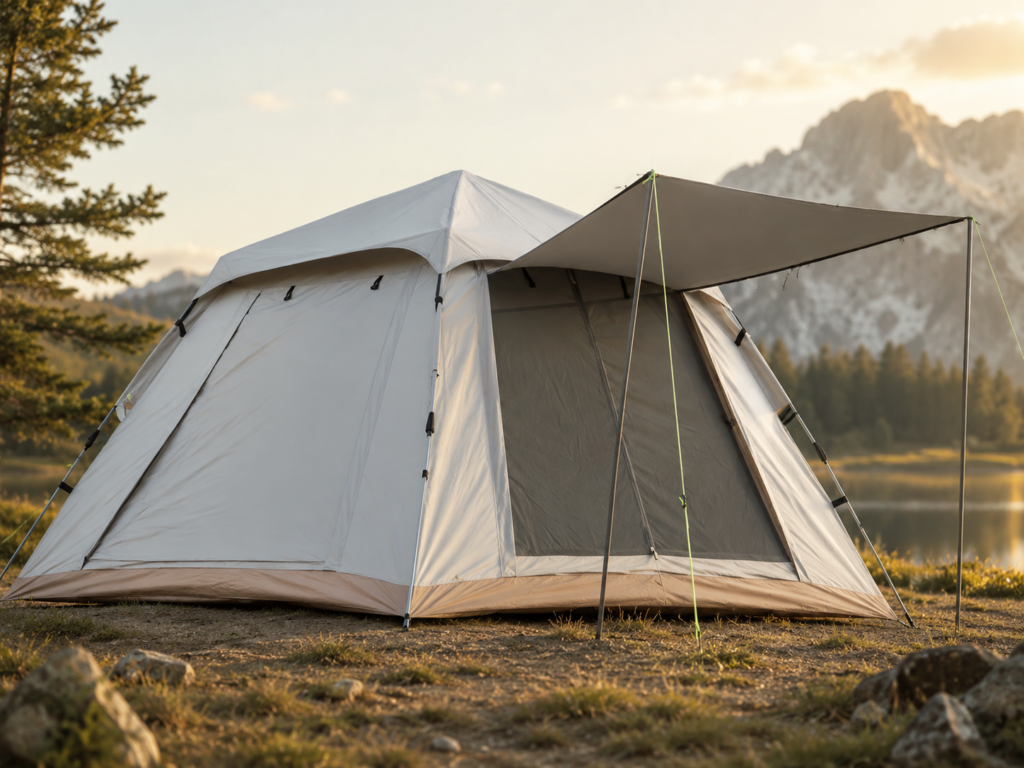
An automatic instant tent is a camping shelter designed with a pre-connected frame system. Instead of asking users to sort separate poles, insert them through sleeves, bend them into shape, and connect multiple clips, the frame and fabric open together.
The value of an automatic instant tent is not only speed. It reduces uncertainty. New campers often lose time because they do not know which pole goes where or how much tension the fabric needs. A built-in frame removes many of those mistakes.
The National Park Service’s trip planning guide explains that having a plan helps visitors avoid common mistakes that can affect a trip or even lead to injury. A tent that is easier to pitch supports that same idea: fewer setup problems mean less pressure when users arrive at camp.
For outdoor product buyers, this matters because simple setup can reduce customer complaints, support beginner camping packages, and make the product easier to demonstrate in stores or rental sites.
How Does an Automatic Instant Tent Frame Work?
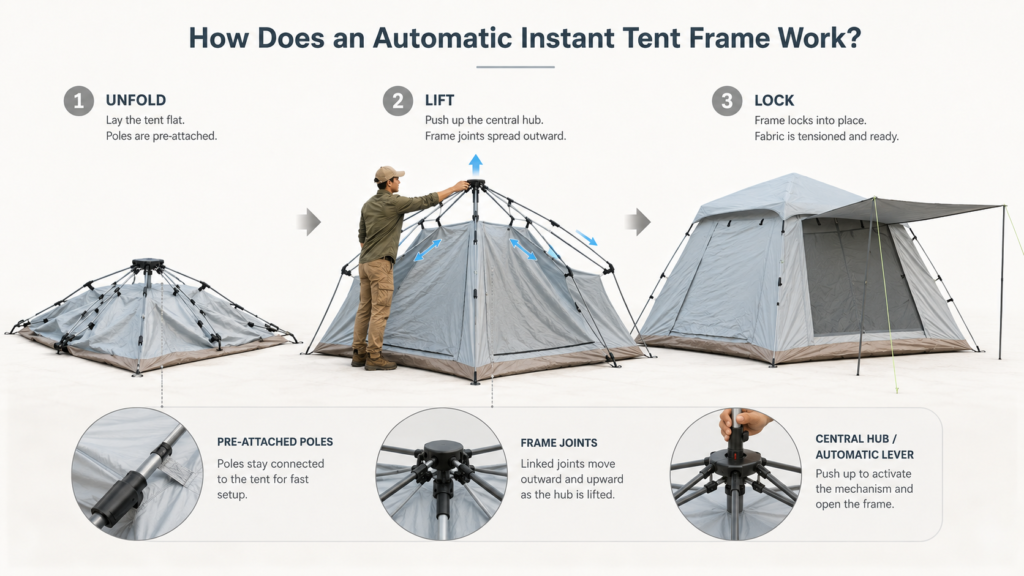
A well-designed automatic instant tent uses three key parts: pre-attached poles, frame joints, and an automatic lever or hub structure. The user does not build the frame from zero. They unfold the tent body, lift or push the frame into position, and lock the support structure.
This is different from a traditional pole tent. In a normal pole system, the user handles separate poles and fabric tension manually. In an automatic frame tent, the frame is already connected to the tent body. The setup process becomes easier to repeat.
The automatic lever helps transfer hand force into frame movement. When the lever or central joint is lifted, the poles spread and tension the fabric. This creates a faster pitch with fewer steps.
This type of structure is especially useful for an easy pitch tent because the user does not need advanced camping experience. The frame guides the process.
Why Automatic Instant Tent Frame Is Better for Short Outdoor Trips
This is why automatic instant tent frame is better for short outdoor trips: time is limited, and setup often happens under pressure.
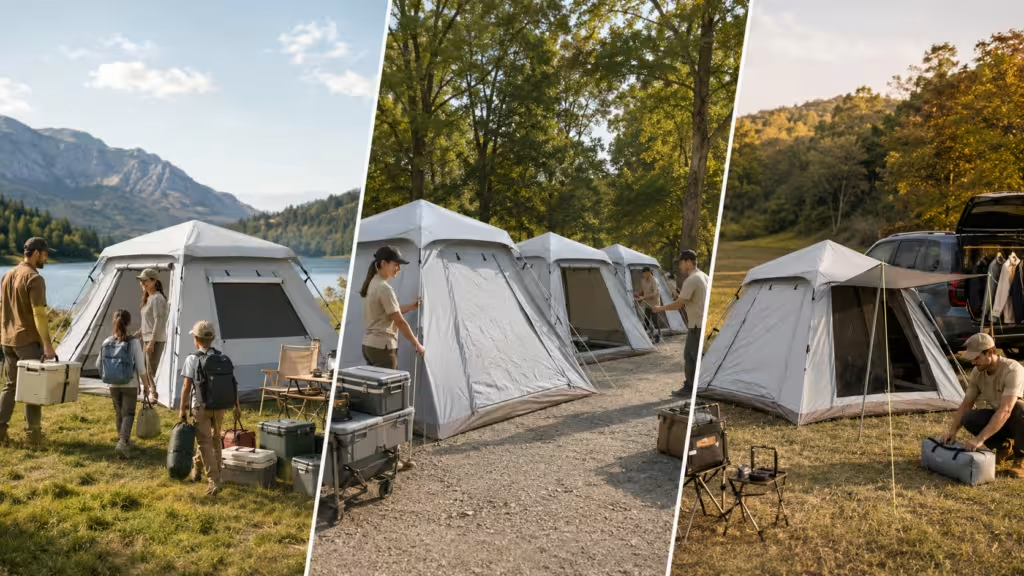
Many weekend campers arrive late in the afternoon. Families may need to prepare sleeping areas, food, lighting, chairs, and children’s gear before dark. Campsite operators may need tents that staff can set up repeatedly without long training.
Leave No Trace’s Plan Ahead and Prepare principle says planning helps outdoor visitors accomplish trip goals safely and enjoyably while minimizing damage to the land. A faster tent frame does not replace planning, but it removes one common time-wasting step.
If you want a practical setup explanation, read this quick setup instant tent guide before choosing the right frame style.
Automatic Frame Tent vs Traditional Pole Tent: What Changes?
A comparison helps explain the difference.
| Factor | Automatic Frame Tent | Traditional Pole Tent |
|---|---|---|
| Setup steps | Fewer | More |
| Pole handling | Pre-attached frame | Separate poles |
| Beginner difficulty | Lower | Higher |
| Setup speed | Faster | Slower |
| Risk of pole mismatch | Lower | Higher |
| Best use | Short trips, family camping, retail packages | Longer trips, experienced campers |
| Training needs | Easier to demonstrate | More explanation needed |
A traditional tent can still be strong and reliable. The difference is the user experience. For short camping trips, fast pitch and easy packing can matter as much as fabric size or color.
REI’s tent setup guide covers campsite selection, footprints, poles, rainflies, and guylines. Those steps are useful for any camper, but an automatic frame design reduces the pole-handling part that often slows beginners down.
Is an Easy Pitch Tent Better for Beginners?
For beginners, an automatic instant tent reduces the chance of common setup mistakes. Users do not need to guess pole direction, balance uneven tension, or spend time finding the right sleeve.
An easy pitch tent is helpful when the user wants camping to feel accessible. A first-time camper may not care about technical frame terminology, but they do care about getting the shelter ready before rain, wind, or darkness.
This also matters for retailers and camping gear distributors. Products with a lower learning curve are easier to explain on a sales floor, in product videos, and in seasonal outdoor promotions.
For campsite rental businesses, repeatability is even more important. Staff need tents that can be set up, checked, packed, and redeployed with consistent results.
What Should Buyers Check in an Automatic Instant Tent Frame?
A reliable automatic instant tent should not only open quickly. It should open smoothly, hold fabric tension correctly, and handle repeated use.
Outdoor product buyers should check:
1.frame material and tube thickness
2.joint strength and movement smoothness
3.automatic lever locking quality
4.fabric tension after opening
5.wind stability with stakes and guy lines
6.packing size and transport weight
7.repeated opening and closing durability
8.zipper, seam, and floor quality
9.spare parts availability
10.supplier consistency for bulk camping tent orders
Fast setup is only useful when the structure remains dependable. A weak joint or loose hub can turn a convenience feature into a warranty problem.
For outdoor retailers, camping gear distributors, and campsite operators, these checks help separate a real easy pitch tent from a product that only looks simple in photos.
Where Does This Tent Type Work Best?
For family camping, an automatic instant tent saves time when users arrive with children, coolers, chairs, sleeping bags, and cooking equipment. The tent becomes one less problem to solve.
For campsite rentals, quick pitching supports faster turnover. A staff member can prepare multiple shelters with less training.
For outdoor retailers, the design is easier to demonstrate. A simple product story helps customers understand the value quickly: open, lift, lock, secure, and use.
For buyers who need more internal space and a stable family camping layout, the 6-corner automatic instant tent is suitable for short outdoor stays, campsite use, and retail camping packages.
For compact trips and simple outdoor use, the 4-corner automatic instant tent offers a practical structure for easy pitch camping and quick packing.
When Is Fast Setup Not Enough?
An automatic instant tent is not always the best choice for every outdoor condition.
For ultralight backpacking, packed weight may matter more than setup speed. For extreme alpine weather, users may need specialized expedition tents. For long-term fixed camps, stronger structural anchoring may be more important than fast pitching.
Severe wind, storms, exposed ground, and poor campsite selection can challenge any tent. Leave No Trace’s Travel and Camp on Durable Surfaces principle recommends using established campsites and durable surfaces where possible. Good frame design still needs proper site choice, staking, and guyline tension.
A fast tent is not a replacement for outdoor judgment. It is a tool that makes normal camping easier.
How Should Outdoor Retailers Choose for Seasonal Inventory?
For outdoor retailers, an automatic instant tent can reduce staff explanation time and make seasonal promotions easier to sell. The key is choosing a model that performs consistently across many users.
Buyers should evaluate:
- setup repeatability
- packaging consistency
- color and size options
- private label support
- product instruction clarity
- replacement frame parts
- photography and setup video support
- carton strength for shipping
- delivery schedule before peak season
- customer return risk
The National Park Service article on camping safely upon arrival reminds campers to check park regulations, fire rules, food storage requirements, and site conditions when arriving. For product sellers, that means tent convenience should be supported by clear instructions and responsible outdoor-use guidance.
Conclusion
An automatic instant tent should be chosen for more than speed. The real value comes from a frame system that lowers setup difficulty, helps beginners avoid mistakes, improves short-trip efficiency, and supports repeatable use for family camping, outdoor retailers, campsite operators, and rental businesses. When the automatic frame tent uses a smooth lever system, stable joints, good fabric tension, and clear packing logic, setup speed becomes a practical outdoor advantage instead of a simple marketing claim.
FAQ
Is this tent type good for beginners?
Yes. It reduces pole assembly steps and makes setup easier for users with limited camping experience.
How does an automatic instant tent frame work?
An automatic instant tent frame usually uses pre-attached poles, frame joints, and a lever-assisted opening system to help the tent unfold and lock faster.
Is an automatic frame tent strong enough for camping?
Yes, for normal camping conditions, if the frame, stakes, fabric tension, and guy lines are used correctly. Extreme weather still requires caution.
Is an easy pitch tent good for family camping?
Yes. It saves setup time and makes short family trips easier, especially when users arrive late or travel with children.
What should outdoor retailers check before ordering in bulk?
They should check frame durability, fabric quality, setup repeatability, packing size, spare parts, color options, instruction clarity, and supplier consistency.